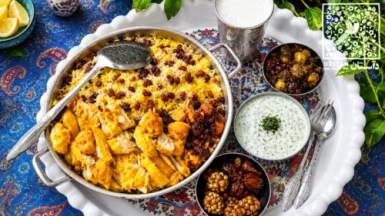


The Complete Guide to Iranian Walnuts: Types, Quality & Buying Tips
18 دقیقه پیش
0
The Complete Guide to Iranian Walnuts: Types, Quality & Buying Tips
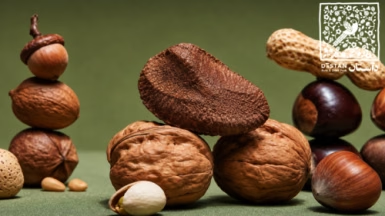
Iranian walnuts have a long history and remain one of the country’s most popular tree nuts. Iran is considered an important center of Persian walnut diversity, with walnut-growing regions spread across areas of the Zagros and Alborz mountain ranges. Researchers have also documented significant variation among Iranian walnut trees in size, shell thickness, kernel color, and other characteristics.
But what makes an Iranian walnut different, and how can you tell if you are buying a fresh, high-quality product?
Here is a simple guide to help you understand Iranian walnuts before buying them.
What Are Iranian Walnuts?
Iranian walnuts are mainly Persian walnuts, scientifically known as Juglans regia . This species has been cultivated in Iran for centuries, and the country has developed a diverse range of local populations and commercial cultivars.
Walnuts are grown in several regions of Iran, particularly mountainous areas. Hamedan, Kerman, Lorestan and other walnut-growing regions are known for their production and genetic diversity.
This regional diversity means Iranian walnuts do not all look or taste exactly the same.
Popular Types of Iranian Walnuts
Iran has many local walnut populations as well as commercially developed cultivars. Some Iranian cultivars documented in research include Jamal, Damavand, Persia, Caspian, Chaldoran and Alvand .
For everyday buyers, however, walnuts are often distinguished more practically by characteristics such as:
Kernel color
Kernel size
Shell thickness
Ease of cracking
Oiliness and texture
Taste and freshness
Some walnuts have thinner shells and larger kernels, while others may have a harder shell but a rich, flavorful kernel.
What Makes a High-Quality Walnut?
Freshness is one of the most important factors when buying walnuts.
A good walnut should have a clean, natural smell without a stale, sour, or paint-like odor. The kernel should also be firm and reasonably crisp rather than excessively soft or shriveled.
Color can provide useful information as well. Walnut grading systems commonly distinguish kernel colors from extra light and light to amber. Lighter kernels are often associated with higher commercial value, although color alone does not determine freshness or overall quality.
When buying shelled walnuts, check for:
A fresh, mild walnut aroma
No mold or visible damage
No rancid or unusual smell
Firm texture
Clean, intact kernels
No excessive dark discoloration
Shelled or Unshelled Walnuts: Which Should You Buy?
Both options have advantages.
Shelled walnuts are convenient and ready to eat. They are especially useful for breakfast, baking, salads and cooking.
Walnuts in the shell are better protected from air and light, but they require cracking before use.
If convenience matters most, shelled kernels are usually the easier choice. If you plan to store walnuts for longer, buying them in the shell can be a practical option.
How to Store Iranian Walnuts
Walnuts contain a relatively high amount of oil, which means they can develop off-flavors when exposed to heat, oxygen and unfavorable storage conditions. Proper storage helps preserve their taste and quality.
For short-term use, keep walnuts in an airtight container in a cool, dry and dark place .
For longer storage, refrigeration is a better option. If you have a larger quantity, freezing can help extend freshness even further.
The most important rule is simple: keep walnuts away from heat, moisture, direct sunlight and strong odors.
How to Tell If Walnuts Have Gone Bad
The easiest warning sign is smell.
Fresh walnuts have a pleasant, mild nutty aroma. If the kernels smell strongly bitter, sour, stale, or similar to old cooking oil, they may have become rancid.
Also check for:
Mold
Insect damage
Excessive shriveling
Unusual moisture
Significant discoloration
If the walnut tastes unpleasant or noticeably rancid, it is better not to eat it. Quality standards for walnuts specifically identify rancidity, mold, decay and insect damage as defects.
How to Choose Iranian Walnuts When Buying Online
When buying walnuts online, you cannot always inspect the kernels yourself. Instead, look for a seller that clearly provides information about:
Origin or product type
Packaging
Storage conditions
Available sizes and weights
Product freshness
Customer support and return policy
A reliable seller should also make it easy to compare different walnut products rather than simply describing everything as “premium.”
Why Iranian Walnuts Are Popular
The popularity of Iranian walnuts comes from a combination of tradition, regional diversity and their versatility in Persian cuisine.
They can be eaten as a snack, added to breakfast with bread and cheese, used in salads and desserts, or incorporated into traditional dishes such as Fesenjan .
Iran's long history of walnut cultivation has also contributed to considerable genetic diversity among its walnut populations.
Frequently Asked Questions
Are Iranian walnuts the same as Persian walnuts?
In most commercial contexts, Iranian walnuts are Persian walnuts (Juglans regia ). Iran is one of the important historical centers of this species and has considerable walnut diversity.
What color should a good walnut kernel be?
Kernel color can range from light shades to amber. A lighter kernel is often preferred commercially, but color alone is not enough to judge freshness. Smell, texture and the absence of mold or rancidity are also important.
Should walnuts be stored in the refrigerator?
For longer storage, refrigeration is a good option because walnuts are sensitive to heat and oxidation. Keep them in an airtight container to protect their flavor.
How can I tell if a walnut is rancid?
A strong stale, sour, or oil-like smell is one of the clearest signs. An unpleasant bitter or stale taste can also indicate rancidity.
Final Thoughts
Iranian walnuts offer a wide range of sizes, shapes, kernel colors and textures because of the country's diverse growing regions and long history of cultivation.
When choosing walnuts, don't focus only on size or appearance. Freshness, aroma, texture, storage and product quality are equally important.
If you're looking for Iranian walnuts for breakfast, cooking, baking or everyday snacking, choosing a fresh product and storing it correctly can make a noticeable difference in both flavor and shelf life.
Explore Iranian Walnuts at Dastan
Dastan offers several walnut options, including walnut kernels and shelled walnuts, so you can choose according to your preferred use and quantity.